


The Nature of Luck in Gambling
Luck is often viewed as a crucial element in the world of gambling, as many games primarily rely on random outcomes. In games like slots and roulette, players can do little to influence the results, making luck the dominant factor. These games are designed such that every spin or roll is independent, emphasizing the unpredictability of chance. The concept of luck is deeply ingrained in the culture of gambling, where players sometimes attribute their wins or losses to fate or fortune, much like those who explore sites like britneynail.co.uk for tips on strategies. This reliance on luck is both thrilling and daunting, as it creates a sense of excitement and anticipation with every play.
However, the perception of luck can be misleading. While it can lead to sudden victories, it can also result in significant losses. The randomness involved in these games means that even the most experienced players can have bad streaks. This unpredictability is what draws many players to casinos, as the thrill of potential winnings feels tantalizingly within reach, even if the odds are stacked against them. The allure of hitting a jackpot or winning a large sum can overshadow the reality that these outcomes are often based on chance rather than skill.
Although luck plays a substantial role in certain games, it is essential to recognize that it is not the sole determinant of success in a casino. Understanding the boundaries of luck can help players manage their expectations and approach gambling more strategically. Those who seek to rely solely on luck may find themselves facing disappointment, especially if they do not take the time to learn about the games they choose to play. By acknowledging the limits of luck, players can focus on enhancing their skills where applicable, creating a more balanced approach to gaming.
The Importance of Skill in Strategic Games
In contrast to pure chance games, strategic games such as poker and blackjack require a significant level of skill. Players must analyze their opponents, calculate odds, and make informed decisions based on the available information. Skill in these contexts can greatly increase a player’s chances of winning over time. For instance, in poker, a successful player will not only rely on the cards they hold but will also read their opponents’ behaviors and betting patterns to determine the best course of action. This combination of psychological insight and strategic thinking is what often separates novice players from seasoned veterans.
Skill-based games also provide players with tools to manage their bankroll effectively. By understanding the principles of card counting in blackjack or the psychology of bluffing in poker, players can devise strategies that maximize their potential returns. This knowledge can be the difference between a novice and a professional, showcasing how skill can turn the tide in favor of the player significantly. In addition, skilled players often come to recognize favorable situations and adapt their strategies accordingly, further enhancing their chances of success.
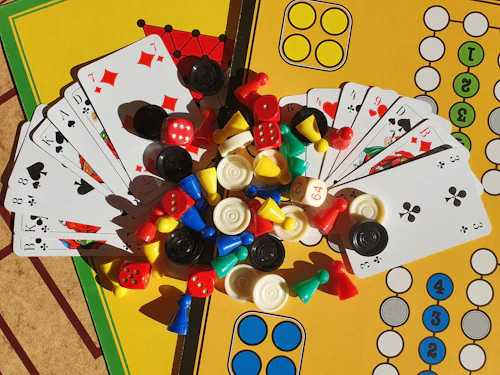
Furthermore, skilled players often develop a solid understanding of probabilities and game theory, which can further enhance their decision-making process. This insight allows them to make calculated risks rather than relying on luck alone. As a result, while luck is ever-present, skilled players can mitigate its influence by applying their knowledge and strategies effectively. By investing time in learning the intricacies of their games, players can transform their approach from one of sheer chance to one of calculated risk and informed decision-making.
The Balance Between Luck and Skill
The relationship between luck and skill in casino gaming is often described as a delicate balance. In many cases, the most successful players find ways to blend both elements to their advantage. For example, even a skilled poker player must still contend with the unpredictability of the cards they are dealt. This means that while they can create advantageous situations, there will always be an inherent element of luck involved in the outcome of any given hand. The acceptance of this balance can help players cultivate resilience, as they learn to navigate both the ups and downs of gaming.
This interplay between luck and skill is particularly evident in competitive gaming environments. In tournaments, for instance, a player’s skill may shine through in the long run, allowing them to outperform less skilled opponents despite occasional bad luck. This underscores the notion that while short-term outcomes may be influenced by chance, skill tends to dominate over longer periods, leading to consistent success. The ability to maintain composure and adapt strategies based on the evolving dynamics of the game is essential for long-term achievement.
Moreover, understanding this balancing act can help players cultivate a healthier gambling mindset. Those who recognize the roles of luck and skill are often better equipped to handle losing streaks. By focusing on skill development and strategy, players can enhance their overall gaming experience and potentially achieve a more favorable outcome, regardless of random chance. This balanced perspective allows players to appreciate both the excitement of luck and the satisfaction derived from skill, leading to a more fulfilling gaming experience.
The Psychological Aspects of Luck and Skill
The psychological impact of luck and skill in casino settings can also significantly influence player behavior and decision-making. Many gamblers have a tendency to attribute their losses to bad luck, which can lead to frustration and poor choices. Understanding the psychological aspects of gambling is crucial for maintaining a balanced perspective. Recognizing that skill can often mitigate luck’s effects may empower players and encourage a more strategic approach to gaming. This understanding can foster a sense of control, enabling players to make more informed decisions rather than becoming victims of chance.

An interesting phenomenon is the “gambling fallacy,” where players believe that past outcomes can influence future results. This cognitive bias can cause individuals to misinterpret their winning or losing streaks as signs of impending luck. Addressing these misconceptions is essential; players should focus on skill-building and improving their tactics instead of falling into the trap of believing they can predict random outcomes. By cultivating awareness of these psychological tendencies, players can enhance their decision-making processes and develop a healthier relationship with gambling.
Moreover, cultivating a mindset geared towards skill development can enhance a player’s enjoyment of gaming. When players perceive themselves as skillful rather than merely lucky, they may find satisfaction in the learning process and the application of their knowledge. This shift in mindset not only helps them make more informed choices but can also lead to a healthier approach to gambling, increasing their overall success in the casino environment. Emphasizing personal growth and understanding can transform gambling from a mere game of chance into an enriching experience.
Exploring Resources for Gamblers
For those interested in deepening their understanding of the roles of luck and skill in casino gaming, there are numerous resources available. Books, online forums, and educational websites provide insights into various gaming strategies, odds calculations, and psychological approaches to gambling. These materials can help players develop a more comprehensive understanding of their chosen games, enabling them to make informed decisions and enhance their chances of success. Engaging with such resources can also foster a sense of community among players, as they share experiences and strategies.
Additionally, many casinos offer workshops and tutorials, where players can learn from experienced professionals about game strategies and the importance of skill. Participating in these educational opportunities can assist both novice and seasoned gamblers in honing their skills. By investing time in learning, players can create a more balanced approach to gaming, where both luck and skill are acknowledged and adequately leveraged. Such initiatives not only boost player confidence but also contribute to a more informed gaming environment.
Ultimately, the journey of mastering casino games is a path that intertwines knowledge, practice, and resilience. Gamblers who embrace both the uncertainty of luck and the empowerment of skill are more likely to navigate the complexities of the gaming world successfully. They can foster a fulfilling experience that goes beyond mere chance, transforming gambling into an engaging blend of strategy and excitement. By continually seeking knowledge and refining their skills, players can enhance their overall gaming journey and develop a deeper appreciation for the art of gambling.